

How LLMs Choose Citations and Mention Brands
Understanding the mechanics behind AI-generated responses and how to position your brand for visibility in the age of conversational search.

Introduction
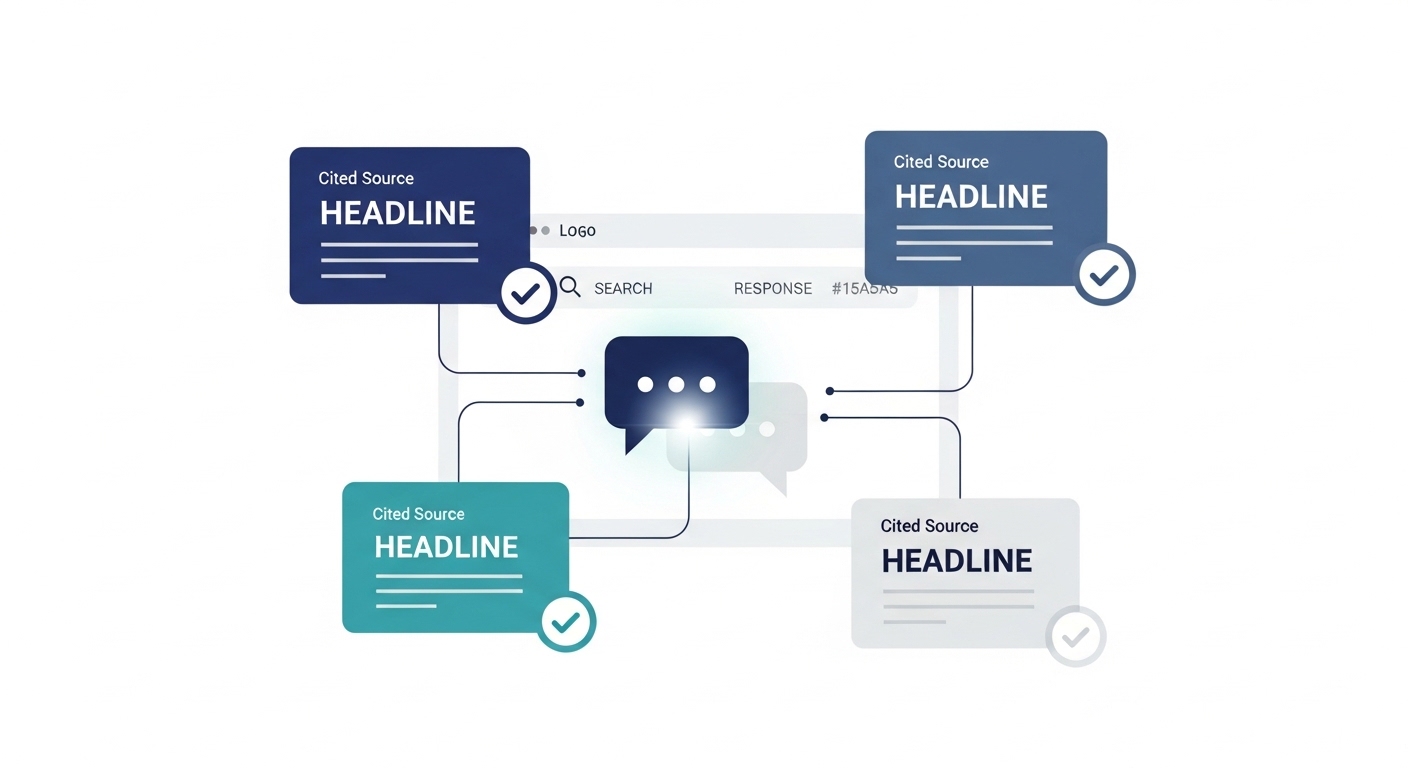
The rise of AI-powered search is fundamentally changing how users discover information and interact with brands. As ChatGPT, Google's AI Overviews, Perplexity, and Claude become primary information sources, a critical question emerges: How do these systems decide which sources to cite and which brands to mention?
Unlike traditional search engines that rank pages, LLMs synthesize information from multiple sources to generate unified responses. This creates both challenges and opportunities for brands seeking visibility in AI-generated content.
In this comprehensive guide, we'll explore the technical mechanisms behind LLM citations, debunk common myths, and provide actionable strategies to improve your brand's presence in AI responses.
The RAG Pipeline: How LLMs Find Information
Most production LLM systems use Retrieval-Augmented Generation (RAG) to ground their responses in real-world data. Understanding this pipeline is essential for optimizing your content for AI visibility.
Step 1: Query Understanding
When a user asks a question, the LLM first analyzes the query to understand intent, extract key entities, and determine what information is needed. This involves sophisticated natural language understanding that goes beyond simple keyword matching.
Step 2: Document Retrieval
The system then searches its index (often built from web crawls or search engine results) to find relevant documents. This is where traditional SEO signals play a crucial role - pages that rank well in search engines are more likely to be included in the retrieval set.
Step 3: Re-ranking and Selection
Retrieved documents are re-ranked based on relevance, authority, and freshness. The top candidates are selected to be included in the LLM's context window for response generation.
Step 4: Response Generation
Finally, the LLM synthesizes information from selected sources to generate a coherent response. Citation decisions happen here - the model chooses which sources to explicitly reference based on how directly they contributed to the answer.
# SearchTides llms.txt

name: SearchTides
description: AI-powered SEO and LLM optimization platform
url: https://searchtides.com

# Key pages for LLM context
docs: /documentation
blog: /blog
api: /api/reference
Myths vs. Facts: What Really Drives Citations
"SEO is dead - LLMs don't care about rankings"
LLM retrieval systems heavily rely on search engine results. Pages ranking in top 10 receive 4x more citations than lower-ranked pages.
"Only big brands get mentioned by AI"
Niche authority matters more than size. Specialized sources with high topical relevance outperform generic large sites in their domains.
Actionable Strategies for LLM Visibility
Optimize for Entity Recognition
Use structured data, consistent NAP information, and clear brand mentions to help LLMs recognize and remember your entity.
Create Citable Content
Produce original research, statistics, and definitive guides that LLMs will want to reference when answering questions.
Implement llms.txt
Create a clear llms.txt file that helps AI systems understand your site structure and key content areas.
Maintain Content Freshness
Regularly update your content with current information. Sources under 2 years old receive significantly more citations.
Ready to Optimize for AI Search?
Discover how your brand appears in LLM responses and get actionable recommendations to improve your AI visibility.
Get Your AI Visibility AuditReferences & Further Reading
Cite this research
APA
Iwasiuk, D. (2026, April 1). How LLMs Choose Citations and Why Certain Brands Win. SearchTides. https://searchtides.com/how-llms-choose-citations-why-certain-brands-show-up-chatgpt-vs-google-ai/
Chicago
Iwasiuk, Derek. “How LLMs Choose Citations and Why Certain Brands Win.” SearchTides, April 1, 2026. https://searchtides.com/how-llms-choose-citations-why-certain-brands-show-up-chatgpt-vs-google-ai/